

The Office Journey of a Scaling AI Company: Serviced, Managed or Leased?
As AI companies grow, their workspace requirements evolve. What works for a ten-person team rarely works for fifty, and what suits fifty people may not be right for a business of two hundred.
The challenge isn’t simply finding more space. It’s identifying the right type of space for the next stage of growth.
For most AI businesses, the journey typically progresses through three broad stages: serviced offices, managed offices and, ultimately, leased premises. Understanding when to make each transition can have a significant impact on cost, culture, operational efficiency and long-term growth.
The Three Stages of Office Occupation
Stage 1: Serviced Office
For many AI startups, a serviced office is the ideal starting point. Short commitments, minimal upfront costs and the ability to scale quickly make serviced space an attractive option while headcount, funding and future requirements remain uncertain.
The flexibility is valuable, particularly during the early years when hiring plans can change rapidly and preserving cash is often a priority.
Stage 2: Managed Office
As businesses scale, many find themselves caught between the flexibility of serviced space and the commitment of a traditional lease. A managed office can provide the best of both worlds.
Occupiers benefit from dedicated space, bespoke branding and a workplace designed around their needs, while an operator continues to manage the day-to-day running of the office. For growing businesses seeking greater identity and control without taking on full occupational responsibility, a managed office can be an excellent solution.
Stage 3: Leased Office
A traditional lease is typically best suited to businesses with greater certainty around their future requirements.
Leased space offers maximum control, greater flexibility over design and infrastructure, and often the lowest occupational cost per square foot over the long term. It also provides an opportunity to create a headquarters that reflects the culture, ambition and operational needs of the business.
The Signs You’re Ready to Move Beyond Serviced Space
There is no perfect moment to leave a serviced office, but there are several indicators that it may be time to explore other options.
1. Your business has become more predictable: If you’ve renewed the same office multiple times without materially changing your footprint, you’re likely paying for flexibility you no longer need.
2. You have a credible growth plan: You don’t need to know exactly how many people you’ll employ in two years’ time. However, if you have a realistic headcount range and clear hiring objectives, you may be ready to consider alternatives to short-term space.
3. You’ve reached a more mature stage of growth: Whether through a funding round, sustained revenue growth or increasing profitability, there comes a point when a business is viewed as an established occupier rather than an early-stage risk.
4. Your requirements are becoming more specialised: As teams scale, infrastructure requirements often increase. GPU-heavy workloads, security requirements, enterprise client expectations, dedicated fibre connectivity, enhanced power provision, hardware testing areas or specialist facilities can be difficult to accommodate within a traditional serviced office environment.
5. Company culture and talent attraction matter more: Shared amenities and flexible environments are attractive early on. However, as businesses grow, many start to value a workspace that better reflects their culture, supports collaboration and creates a stronger sense of identity.
6. You’re ready to establish a long-term home: For many founders, there is significant value in creating a headquarters that reflects the ambition of the business and signals permanence to employees, customers and investors.
Why Companies Make the Move
Greater Control
Occupying dedicated space gives businesses greater control over technology, security, meeting facilities and the day-to-day workplace experience, without being constrained by shared infrastructure or building-wide policies.
A Workplace That Reflects Your Brand
Your office becomes an extension of your business. From signage and design through to visitor experience, the space can reinforce your culture and help leave a lasting impression on candidates, customers and investors.
Space Designed Around Your Team
Serviced offices inevitably require businesses to adapt to someone else’s layout. Dedicated space allows organisations to create an environment that supports how their teams actually work, whether that’s focused engineering zones, research areas, collaboration spaces or product demonstration facilities.
Improved Economics at Scale
While serviced offices offer excellent flexibility, they typically carry a premium. As headcount grows, the cost differential between serviced, managed and leased space can become significant, creating an opportunity to improve both value and workplace quality.
Access to Better Long-Term Value
Traditional leases often provide the lowest occupational costs over the long term, while landlords may offer incentives such as rent-free periods or fit-out contributions.
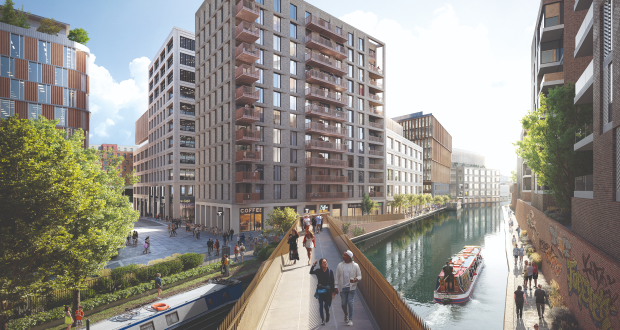
However, businesses should begin exploring the market well in advance. In locations popular with technology occupiers, such as King’s Cross, availability can be limited and the best opportunities often go to companies that start planning early.
A Stronger Market Presence
A dedicated headquarters sends a clear message to employees, customers and investors: the business is established, growing and committed to its future.
A Better Platform for Growth
Ultimately, the right office should support the next phase of the business. Dedicated space provides room to grow, the ability to shape the employee experience and a working environment aligned with long-term objectives.
Don’t Leave It Too Late
One of the most common mistakes growing companies make is waiting until they’ve outgrown their current space before beginning their search.
Moving into dedicated premises is rarely a quick process. Market searches, negotiations, legal documentation, design development and fit-out works all take time. In many cases, companies should begin evaluating their options at least twelve months before their target move date.
The businesses that achieve the best outcomes are often those that start planning early rather than those making decisions under pressure.
There’s No Single Right Answer
Many AI companies assume the next step after a serviced office is a traditional lease. In reality, the best solution depends on the stage of the business, growth plans, operational requirements and appetite for commitment.
For some businesses, remaining in serviced space will be the right decision. For others, a managed office may provide the ideal balance of flexibility and control. More established occupiers may find that a lease delivers the strongest long-term outcome.
The key is to evaluate all three options before making a decision.
Case Study: Synthesia
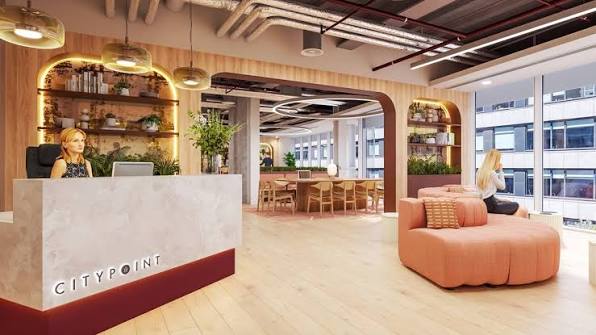
We helped Synthesia make exactly this transition as the business scaled, moving from approximately 7,000 sq ft of serviced office space into a dedicated 20,000 sq ft London headquarters designed to support its next phase of growth.
At Metric, we advise growing businesses across the serviced, managed and leased markets, comparing options from across the entire market and modelling the cashflow implications of each route. By combining market insight with financial analysis, we help clients identify the solution that best supports their next stage of growth.
Measured advice. Lasting impact.
Interested in exploring your next office move? Speak to our team to discuss the options available and when it makes sense to make the transition.